Understanding Plant Requirements
Light Requirements
Plants have specific light needs that determine their placement. Direct light means bright, unfiltered sunlight. Indirect light refers to bright but filtered conditions. Low light indicates minimal natural illumination.
Understanding these categories helps ensure plants receive appropriate conditions for healthy growth.
Humidity Needs
Interior environments often have lower humidity than plants' natural habitats. Some species require higher humidity levels, which can be achieved through grouping plants, using pebble trays, or room humidifiers.
Monitoring humidity helps prevent issues like leaf browning or stunted growth.
Styling Tips
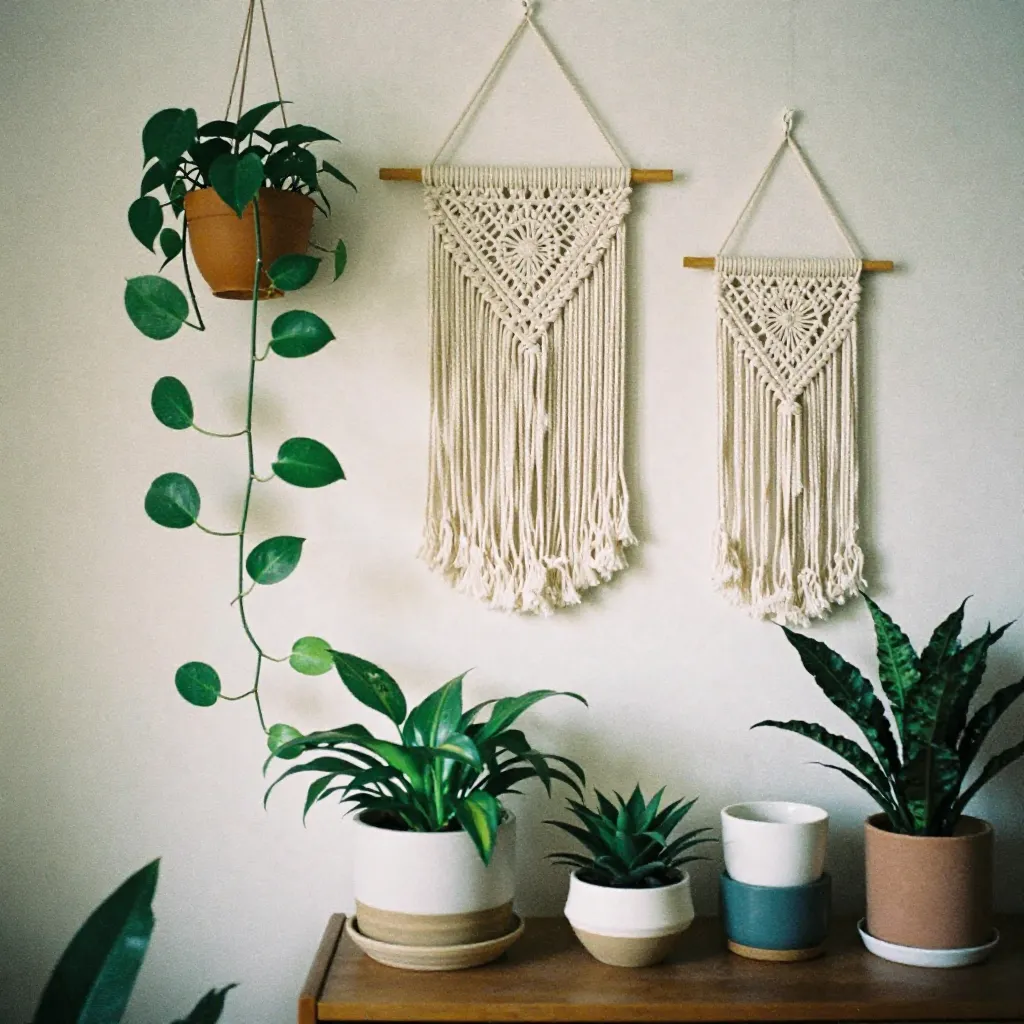
Each plant has visual characteristics that influence placement. Tall, architectural forms work well as focal points. Trailing varieties suit elevated positions. Compact plants create texture in groupings.
Consider growth patterns when positioning plants to maintain intended arrangements over time.
Common Species Guide
Monstera Deliciosa
Light: Bright, indirect light. Avoid direct sun exposure.
Humidity: Moderate to high humidity preferred. Benefits from occasional misting.
Styling: Best placed in a high-ceiling corner or as a statement piece. Large leaves create dramatic visual impact. Support with moss pole as it grows.
Snake Plant
Light: Adaptable to various conditions, from low to bright indirect light.
Humidity: Low humidity tolerance. Thrives in typical interior conditions.
Styling: Vertical form works well in narrow spaces or as architectural accents. Group multiple plants for stronger visual presence.
Fiddle-Leaf Fig
Light: Bright, indirect light. Consistent light exposure promotes even growth.
Humidity: Moderate humidity. Benefits from increased humidity during dry seasons.
Styling: Statement plant for larger spaces. Position where it receives consistent light to prevent leaf drop. Rotate periodically for balanced growth.
Pothos
Light: Low to bright indirect light. Very adaptable to various conditions.
Humidity: Tolerates low humidity but grows better with moderate levels.
Styling: Trailing habit suits hanging baskets or elevated surfaces. Can be trained to climb or allowed to cascade. Excellent for filling vertical space.
Care Fundamentals
Watering
Check soil moisture before watering. Most plants prefer thorough watering followed by allowing soil to dry slightly between sessions. Overwatering is a common issue.
Fertilization
During active growth periods, balanced fertilizer supports healthy development. Reduce or eliminate fertilization during dormant seasons.
Pruning
Regular removal of dead or damaged foliage maintains plant health and appearance. Strategic pruning can also shape growth patterns.
Repotting
When roots outgrow containers, repotting into slightly larger vessels provides room for continued growth. Best done during active growth periods.
Troubleshooting
Yellowing Leaves
Often indicates overwatering or insufficient light. Adjust watering schedule and consider relocating to better light conditions.
Brown Tips
Typically caused by low humidity or inconsistent watering. Increase humidity around plant and maintain consistent moisture levels.
Dropping Leaves
Can result from environmental changes, overwatering, or insufficient light. Assess conditions and make gradual adjustments to avoid further stress.